The question we get most from small pet accounts is some version of “which brands will actually work with me?” The honest answer: more than you’d think, but they rarely find you first. This guide explains the kinds of programs that exist for accounts in the 1–10K range, where to look for brands that already work with small creators, how to check a brand before you say yes, and what a realistic first year looks like.
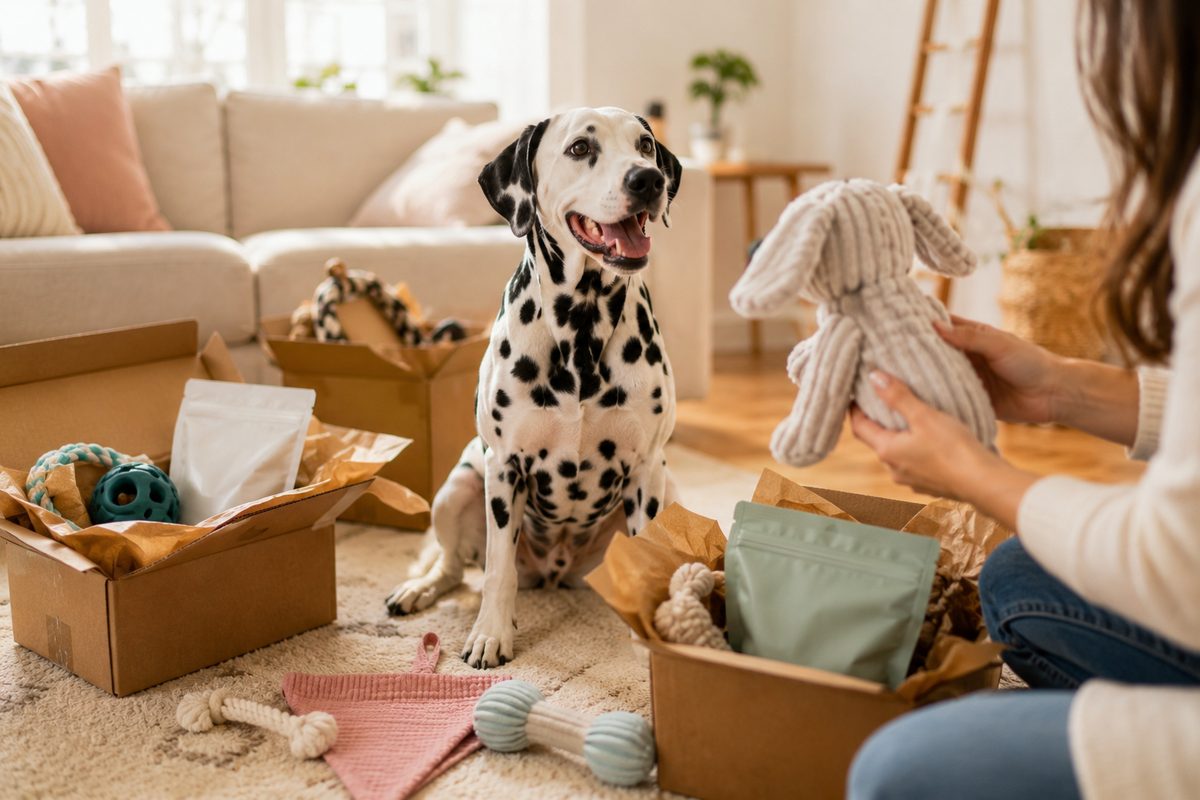
The five kinds of brand work open to small accounts
“Brand deal” covers a lot of different arrangements. Knowing the difference matters, because each one asks something different of you and pays in a different currency.
1. Gifting
The brand sends product; you post if you like it. No money changes hands. This is the front door for most small accounts, and it’s worth taking early on because it builds a portfolio of product content you can show later. Just read the terms — “gifted” should not quietly mean “three reels and a story set by Friday.” Our guide to getting free products as a pet influencer covers how to ask.
2. Ambassador programs
Many pet brands run a standing program you apply to: you get product, a discount code, sometimes a small commission, and you post on a loose schedule. Ambassador spots are typically open to small accounts because brands want lots of authentic voices, not a few big ones. We keep a list of pet brand ambassador programs that accept smaller creators.
3. Affiliate
You share a link or code and earn a percentage of what your audience buys. No follower minimum on most programs, and it rewards trust rather than reach. Start with the best pet affiliate programs and learn how to share affiliate links without sounding like a billboard.
4. UGC (user-generated content)
The brand pays you to make content they post on their channels. Your follower count barely matters; your filming and editing do. For a lot of small pet accounts this is the first real paycheck. See how to make UGC for pet brands and what to charge for UGC.
5. Paid sponsored posts
The brand pays you to post on your channels. At 1–10K these are smaller and less frequent, and they tend to come from brands you’ve already worked with in one of the other four ways. Rates vary a lot; our pet influencer rates guide gives you a starting point.
How to find brands that work with small accounts
There’s no public master list, and any page claiming one goes stale fast. What works is a little detective work you can do in an evening.
- Read the tagged posts. Open a pet brand’s profile and tap the tagged tab. If you see accounts your size posting product with #gifted or #ad, that brand works with small creators. If every tag is a 500K account, move on for now.
- Look for an ambassador or “work with us” page. Check the website footer and the link in bio. Many brands have an application form and never advertise it in their feed.
- Search the hashtags brands use. #[brandname]ambassador, #[brandname]pack, #[brandname]partner. The accounts posting there are your proof that a program exists.
- Join UGC and creator platforms. Marketplaces list open briefs from brands that specifically want small creators. Our roundup of UGC platforms for pet creators explains which ones are worth your time.
- Check who your peers tag. Follow ten accounts a bit bigger than you in your niche. Every brand they tag in a partnership is a brand that has a budget and a process.
- Think small and local. The bakery that makes dog treats two towns over, the groomer with a new product line, the small-batch cat toy shop. Small brands answer their own DMs and say yes faster.
Keep the results in a simple spreadsheet: brand, what kind of program, where you found it, contact, date you reached out. Twenty rows is plenty to start.
The Petfluencer Playbook includes our brand research spreadsheet, the pitch templates we use for gifting and UGC, and a media kit built for accounts under 10K.
Vet the brand before you say yes
Not every “we’d love to collaborate” DM is worth your time, and some are outright scams. Run every offer through this checklist:
- Would you buy it anyway? If the answer is no, your audience will notice. Small accounts survive on trust.
- Is it safe for your pet? Read ingredients, check recalls, and skip anything you wouldn’t give your own animal. No box of treats is worth a vet bill.
- Are you being asked to pay? “Buy at a discount and post for a chance at a feature” is a sales tactic, not a partnership. Real programs don’t charge you.
- Is the DM from the real account? Check the handle character by character, look for the verified badge if the brand has one, and prefer email over DMs for anything with terms.
- What exactly do they want? Number of posts, format, deadline, usage rights. If it isn’t written down, ask. Our free brand-deal contract template makes this painless.
- Can you disclose? Any brand that asks you to skip #ad or hide that a product was gifted is asking you to break the rules. The FTC requires disclosure in the US, and most platforms have their own rules on top.
The short pitch that gets replies
Ambassador forms do the asking for you. For everything else, you need a pitch — and shorter is better at this size. Brands get a lot of long, flattering emails; a clear, specific one stands out.
Hi [Name],
I’m the human behind [@handle], a [breed/niche] account with [X] followers who are mostly [dog parents in the US / cat people who love toys]. We already use your [product] — [one honest sentence about why].
I’d love to make [a reel showing X / a set of UGC clips] for you. I’ve attached a one-page media kit with examples. Happy to start with gifting if that’s how you work with newer creators.
Thanks either way,
[Your name] & [pet’s name]
That last line matters. Offering to start with gifting isn’t undervaluing yourself — it’s meeting the brand where it is, with the door open to paid work later. The full playbook lives in how to pitch brands as a pet influencer.
Realistic expectations at 1–10K
We’ll be blunt, because the hype elsewhere isn’t doing you any favors.
- Reply rates are low. Getting a response from one in five cold pitches is a good week. That’s normal, not a sign you’re doing it wrong.
- Your first “deals” will mostly be product. That’s fine. The content you make from gifting is what earns the paid work.
- UGC pays before sponsored posts do. If money is the goal, put your energy into filming skills and UGC briefs rather than waiting for a sponsor.
- Repeat brands beat new brands. The easiest second deal is with a brand that liked your first one. Deliver on time, send a recap, ask what they need next quarter.
- Results vary. Niche, platform, content quality and plain luck all play a part. Two accounts with the same follower count can have very different years.
Mistakes that cost small accounts opportunities
- Pitching only the biggest brands. The big names in dog food and pet retail get thousands of pitches. Mid-size and small brands are where 1–10K accounts get traction.
- Saying yes to everything. A feed full of unrelated products reads as “for sale.” Pick brands that fit the account you actually run.
- No media kit. Even a simple one-pager makes you look like you’ve done this before. Grab our free pet media kit template.
- Ghosting after the product arrives. Post what you promised, tag properly, and thank them. Brands talk to each other.
- Forgetting to disclose. A quiet #gifted costs you nothing; a missing one can cost you the relationship and more.
FAQ
How many followers do you need for pet brands to work with you?
There is no fixed number. Gifting, ambassador programs, affiliate links and UGC are all typically open to accounts with a few thousand engaged followers — sometimes fewer. Paid sponsored posts usually come later, once you have product content to show.
Which pet brands work with micro-influencers?
Many small and mid-size pet brands run gifting or ambassador programs, and several large retailers offer affiliate programs with no follower minimum. The reliable way to find them is to check a brand’s tagged posts and website for a “work with us” page, rather than trusting any static list.
Should I accept gifted products with no payment?
Early on, usually yes, as long as the product is one you would use and the ask is reasonable. Gifted work builds the portfolio that leads to paid work. Set a limit on how much you post for free and get the terms in writing.
How do I know a brand DM is a scam?
Watch for requests to buy the product first, pressure to act fast, handles that are one character off the real brand, and refusal to move the conversation to email. Real programs never ask you to pay to participate.
Next: browse the best pet brand ambassador programs, learn how to make UGC for pet brands, or set up your first affiliate links.